Places to book Afrikan Yoga
https://forms.gle/WWUrcD2sBoTK7Q2CA
The People’s Theatre
Bronx River Arts Center
Founder of Afrikan Yoga- Pablo Imani
https://www.yogamatters.com/blogs/community/meet-pablo-imani
Afrikan Yoga is a form of yoga known for its use of rhythmic movements to the sounds of drums which aids in heating up the body in order to perform Sayunaats/Postures. By generating adequate natural body heat and energy, this minimizes the risks of injury or strain when doing static postures. Afrikan Yoga helps with flexibility, mobility strength, and endurance.
This Yogic System/Practice is firmly based on the movements of the Neters/Neteru as found on the temple walls at The Temple of Luxor, The Temple of Horus at Edfu and on the scientific methods as mentioned in the Ebers Papyrus Edwin Smith Papyrus Rhind Papyrus the oldest books in the world known as The Pyramid Texts. There is an emphasis of elemental body awareness and breath. The development of flexibility, mobility strength, and endurance are emphasized through dance and postures.
There are lots of similarities and connections however the physical and historical differences between Kemetic Yoga and Afrikan Yoga are also evident. Afrikan Yoga works with Hudu – a series of flowing movements that connect with the elements and cosmic forces of nature. This is in addition to still postures and the focus is on the NTRU/Neteru (Cosmic forces of Nature).
The system is pre-dynastic and pre-pharoanic.
Kemetic Yoga goes back to Kemet and refers to a time period when Pharaohs governed Ancient Egypt. Prior to Kemet the landmass that covered the entire region of East Africa, not just Egypt, going down towards Southern Africa was called Ta Ma Re or Ta Merri or Meri Ta. This is the time period that Afrikan Yoga is connected to and founded upon.
In addition to Hudu, the differences to Indian Yoga are the Sanskrit language is not used nor are there any reference to Hindus deities and Indian culture as a basis of the practice.
Additionally, in Indian and Kemetic yoga, the geometric shapes that are used are squares, triangles and rectangles. In Afrikan Yoga, the circle is incorporated, which is the feminine principle. This use of feminine and masculine is an inherent part of Ancient African culture as they play complimentary roles in all aspects of life and is a unique distinction found in Afrikan Yoga.
Affiliates and Partners
https://ourplacefec.graham-windham.org/
https://thepeoplestheatre.org/
https://www.thepoint.org/
Places to book Afrikan Yoga
https://forms.gle/WWUrcD2sBoTK7Q2CA
The People’s Theatre
Bronx River Arts Center
Founder of Afrikan Yoga- Pablo Imani
https://www.yogamatters.com/blogs/community/meet-pablo-imani
Afrikan Yoga is a form of yoga known for its use of rhythmic movements to the sounds of drums which aids in heating up the body in order to perform Sayunaats/Postures. By generating adequate natural body heat and energy, this minimizes the risks of injury or strain when doing static postures. Afrikan Yoga helps with flexibility, mobility strength, and endurance.
This Yogic System/Practice is firmly based on the movements of the Neters/Neteru as found on the temple walls at The Temple of Luxor, The Temple of Horus at Edfu and on the scientific methods as mentioned in the Ebers Papyrus Edwin Smith Papyrus Rhind Papyrus the oldest books in the world known as The Pyramid Texts. There is an emphasis of elemental body awareness and breath. The development of flexibility, mobility strength, and endurance are emphasized through dance and postures.
There are lots of similarities and connections however the physical and historical differences between Kemetic Yoga and Afrikan Yoga are also evident. Afrikan Yoga works with Hudu – a series of flowing movements that connect with the elements and cosmic forces of nature. This is in addition to still postures and the focus is on the NTRU/Neteru (Cosmic forces of Nature).
The system is pre-dynastic and pre-pharoanic.
Kemetic Yoga goes back to Kemet and refers to a time period when Pharaohs governed Ancient Egypt. Prior to Kemet the landmass that covered the entire region of East Africa, not just Egypt, going down towards Southern Africa was called Ta Ma Re or Ta Merri or Meri Ta. This is the time period that Afrikan Yoga is connected to and founded upon.
In addition to Hudu, the differences to Indian Yoga are the Sanskrit language is not used nor are there any reference to Hindus deities and Indian culture as a basis of the practice.
Additionally, in Indian and Kemetic yoga, the geometric shapes that are used are squares, triangles and rectangles. In Afrikan Yoga, the circle is incorporated, which is the feminine principle. This use of feminine and masculine is an inherent part of Ancient African culture as they play complimentary roles in all aspects of life and is a unique distinction found in Afrikan Yoga.
Affiliates and Partners
https://ourplacefec.graham-windham.org/
https://thepeoplestheatre.org/
https://www.thepoint.org/

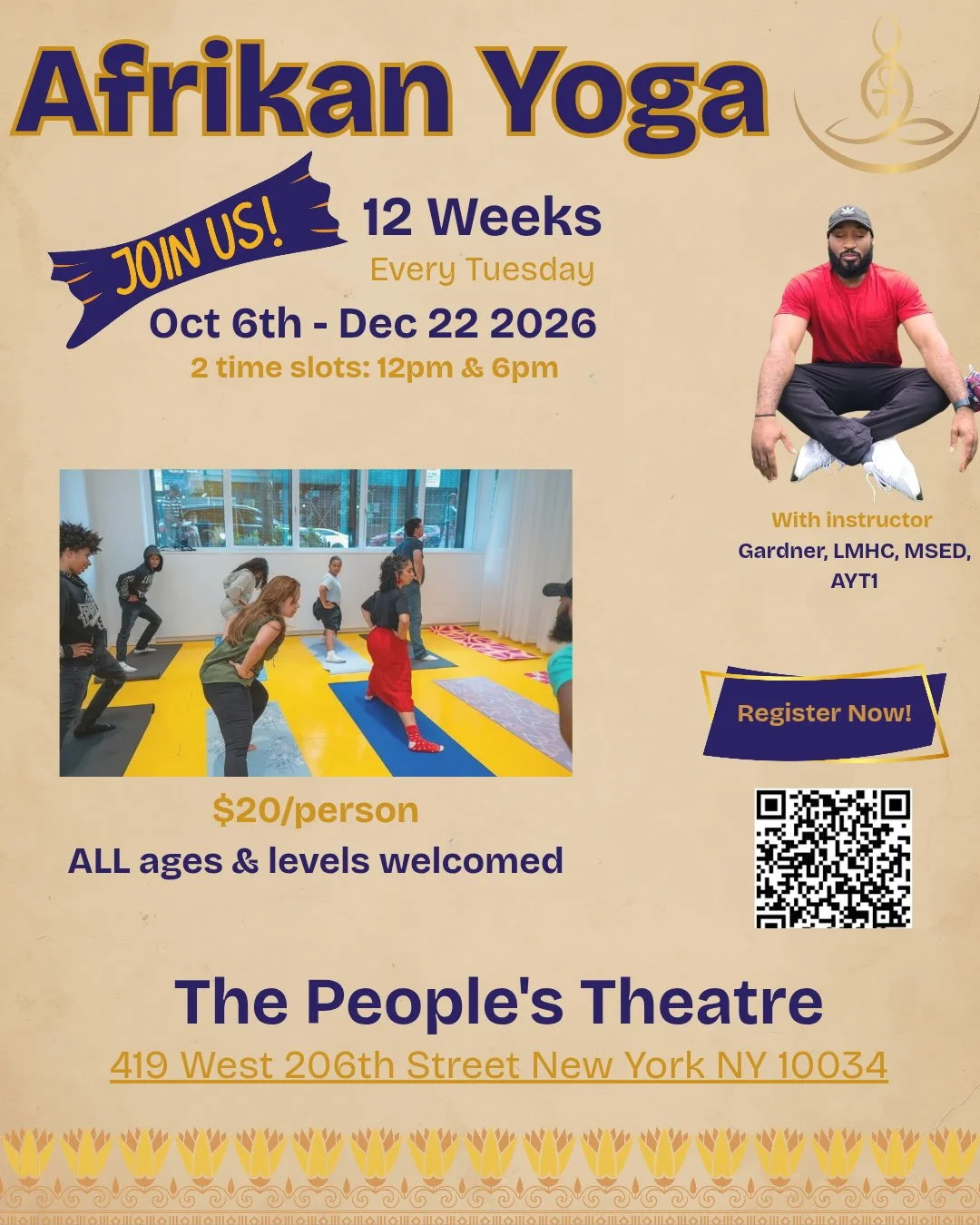 Image 1 of 11
 Image 2 of 11
 Image 3 of 11
 Image 4 of 11
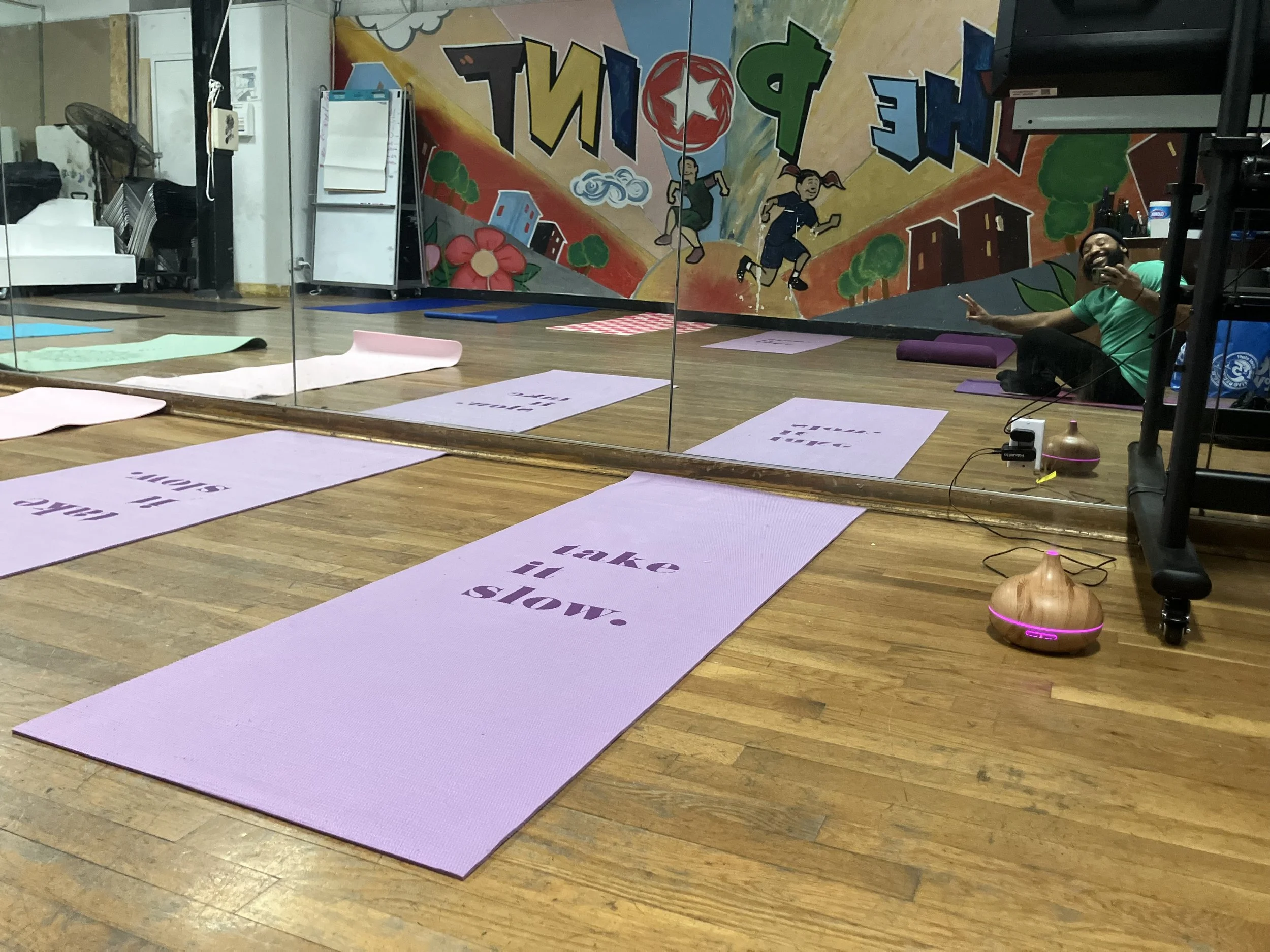 Image 5 of 11
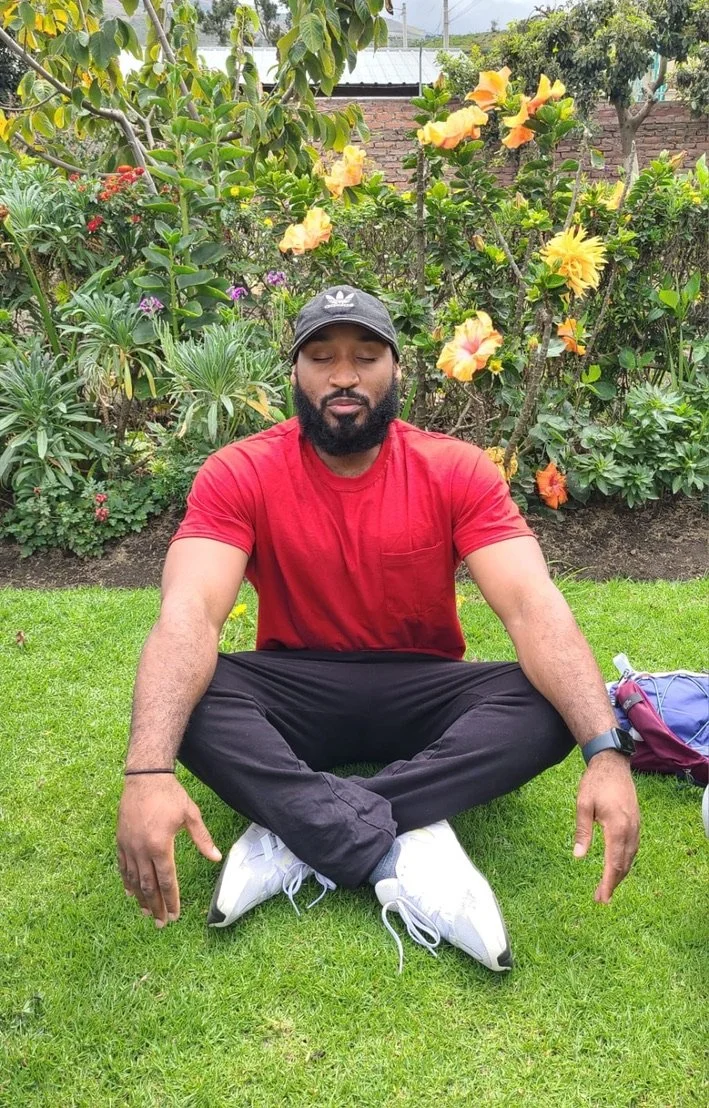 Image 6 of 11
 Image 7 of 11
 Image 8 of 11
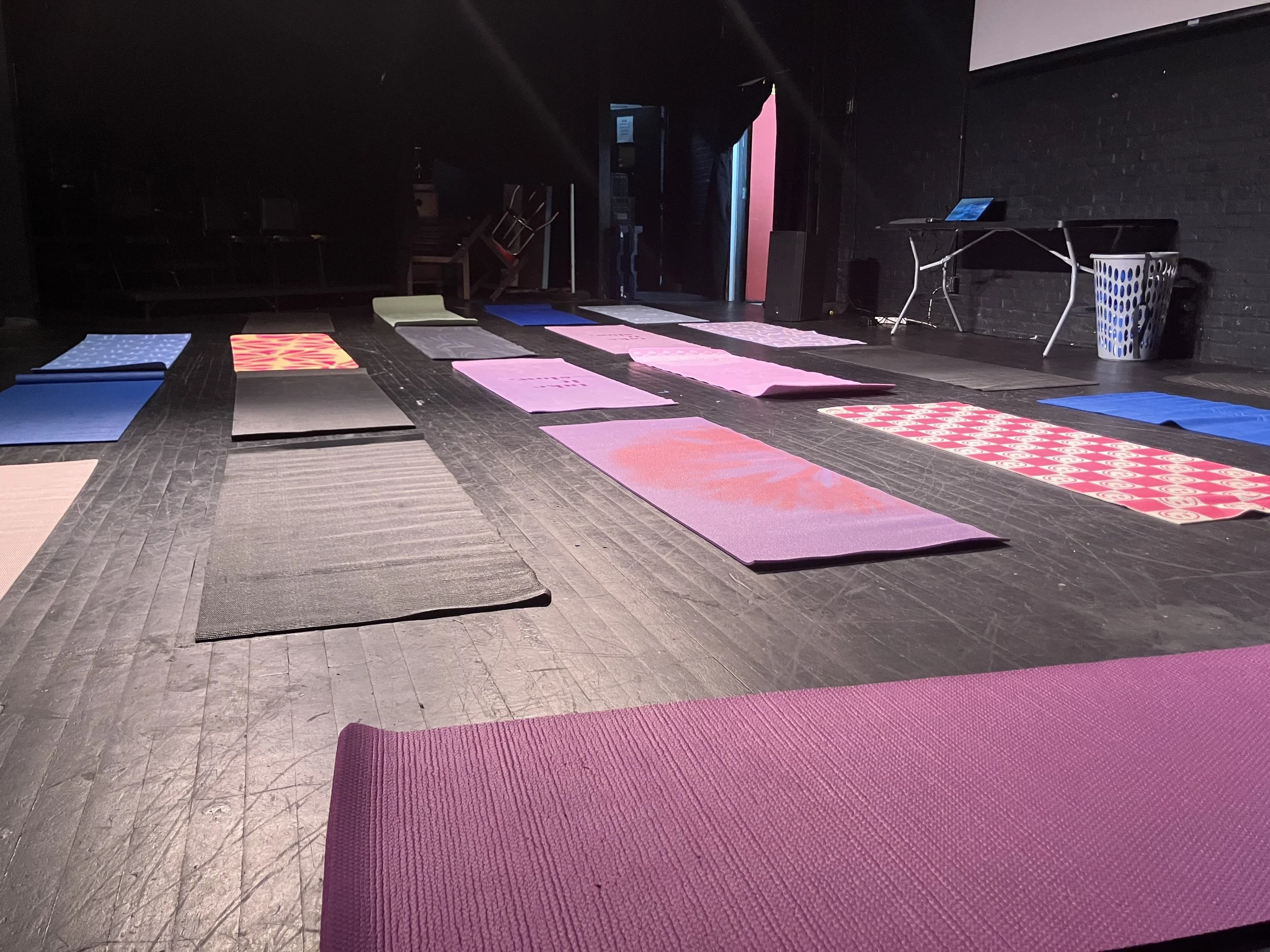 Image 9 of 11
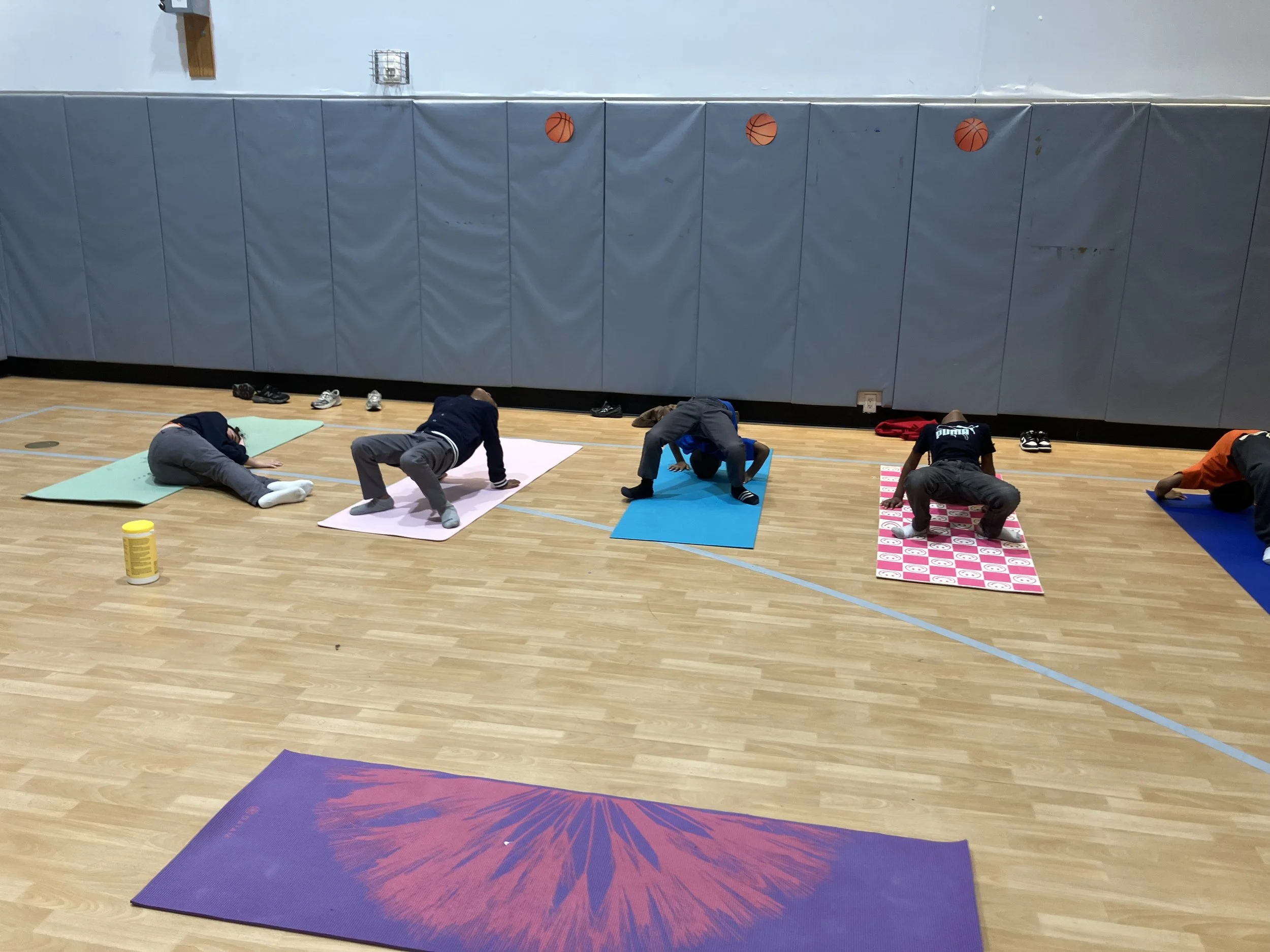 Image 10 of 11
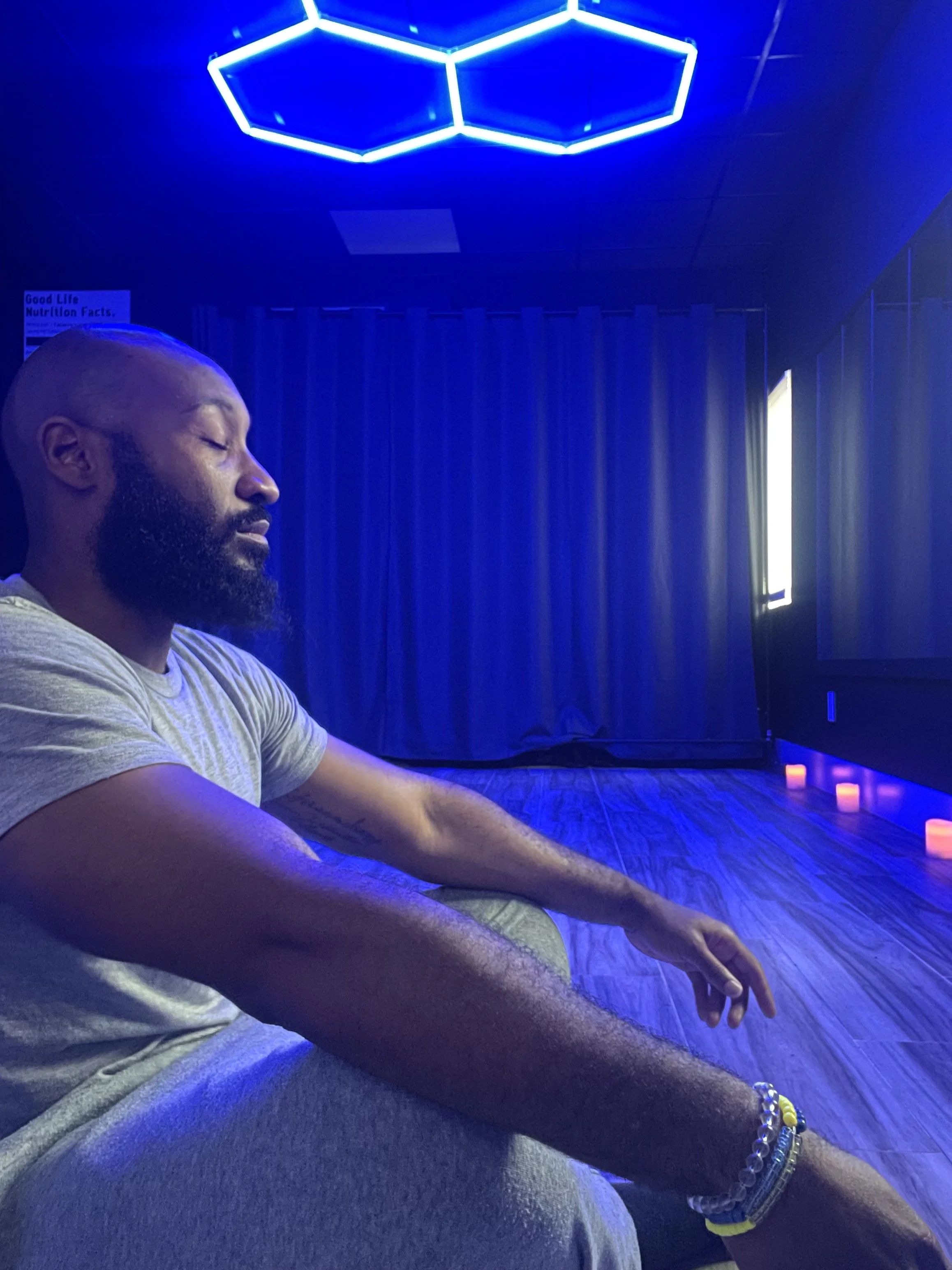 Image 11 of 11